


In 2026, AI is no longer only disrupting established industries. It is also increasingly redefining how startups are created, and more importantly who gets to build them in the first place.
Thanks to open-source AI models and online educational resources, entrepreneurship is increasingly accessible to younger generations. Across global startup ecosystems, more teenagers, and in some cases even children, are beginning to build companies far earlier than previous generations ever could.
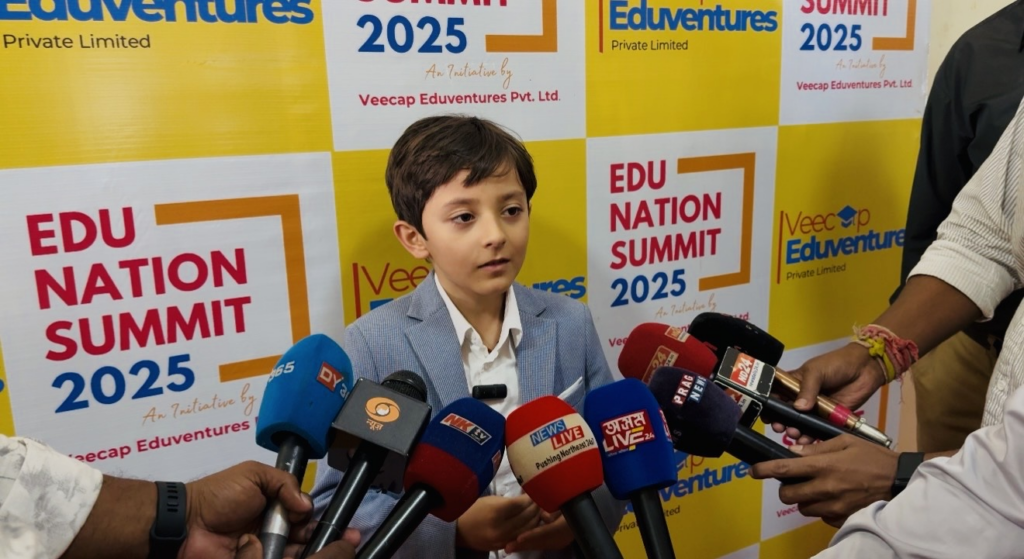
One example attracting attention is Bob Chopra, a 9-year-old entrepreneur focused on creating a global AI, coding and entrepreneurship platform for learners. His startup, IvySchool.ai, is one example of how rapidly AI adoption is entering mainstream education.
His success is also prompting a broader question: why has Europe not yet produced its own wave of ultra-young AI entrepreneurs?

Recent data and startup ecosystem reports suggest that the age of successful founders is gradually decreasing, particularly when it comes to AI. In fact, some estimates now place the average age of AI unicorn founders in their late twenties, which is noticeably younger than in previous tech cycles.
This trend is increasingly visible inside accelerators and VC networks, where younger applicants are becoming more common. In some cases, teenagers are already securing funding for AI startups before completing school or attending university.
A major reason behind this shift was the launch of ChatGPT. Building software products today requires far fewer resources than it once did, and tasks that previously demanded large engineering teams can now be completed with AI-assisted development tools.
Europe has established itself as a serious player in AI innovation, however the continent’s founder demographic remains relatively mature compared to parts of the U.S. and India.
While initiatives such as the European Institute of Innovation and Technology’s AI Founders Club are helping support early-stage entrepreneurs through mentorship and funding opportunities, Europe has yet to produce a widely recognized pre-teen AI founder on the scale of Bob Chopra.
Several structural and cultural factors may explain why. For one, legal and administrative hurdles can also create friction. Further, in many European countries, minors face stricter limitations around company formation and business ownership, making it more difficult for young founders.
Additionally, Europe’s investment culture has historically leaned toward lower-risk opportunities and technically experienced founders.
Deep academic credentials and research backgrounds often carry significant weight in the region’s AI sector.

What makes this moment different is the accessibility of the technology itself. In particular, GenAI is allowing individuals with limited technical expertise to design and launch products at unprecedented speed.
As a result, startup creation is becoming more decentralized and more attainable for younger builders around the world.
Europe is already beginning to experience this shift. Young entrepreneurs in cities such as Madrid, Berlin, and Lisbon are increasingly launching lean, AI-driven startups without relying on large teams or major venture funding.
Bob Chopra’s rise may ultimately represent something much larger than a single success story. It reflects a global transformation in how innovation is emerging and who is able to participate in it.
As AI continues reducing the complexity of building digital businesses, Europe’s combination of strong infrastructure, technical talent, and growing AI investment could position it to nurture a new generation of exceptionally young founders in the years ahead.
Article’s photo of IvySchool.ai CEO Bob Chopra