


As companies move generative AI from pilot projects into production environments, the challenge is increasingly about engineering rather than model access. Integrating AI into existing software, business processes and enterprise platforms requires organizations to address security, governance, reliability and long-term maintainability.
AI agents are part of that transition. While businesses are exploring ways to automate tasks across departments, deploying agents in operational environments requires more than building a functional prototype. Systems must connect with enterprise data and applications, operate within existing controls and remain manageable as business requirements evolve.
This shift is creating a larger role for engineering firms that can connect AI capabilities with the infrastructure companies already use. Instead of treating AI as an isolated initiative, businesses are looking at how it can become part of product development, platform modernization and everyday workflows.
For AI providers such as Anthropic, partnerships with engineering companies offer a way to extend the use of their models beyond experimentation and into the systems that support business operations.
Anthropic brings Gorilla Logic into its enterprise AI ecosystem
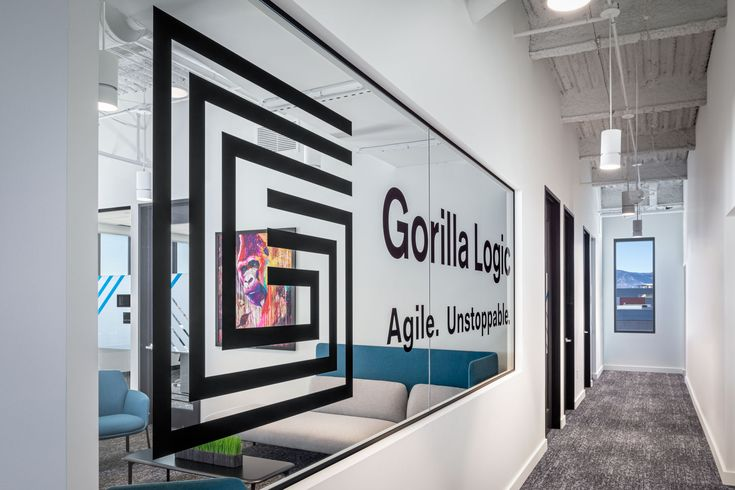
Anthropic has named Gorilla Logic a Select Services Partner in the Claude Partner Network’s Services Track, positioning the engineering company to help enterprises integrate Claude into software products, platforms and business workflows.
The designation is based on criteria including certified practitioners, customer deployments running in production and publicly available customer results, according to Gorilla Logic.
The collaboration will focus on two areas. The first involves using Claude and Claude Code throughout the software development lifecycle to design, build, test and modernize products and platforms.
The second centers on developing AI agents and automated workflows for departments such as finance, operations, compliance, human resources and sales. These systems can connect with existing enterprise applications through integrations that include the Model Context Protocol (MCP).
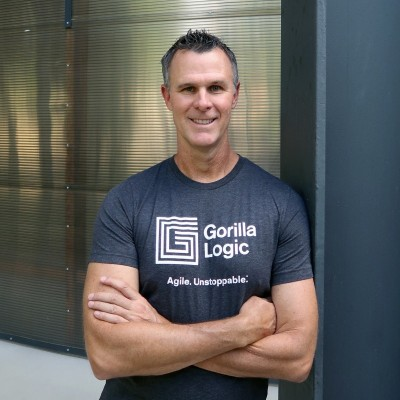
For Drew Naukam, CEO of Gorilla Logic, the accessibility of AI tools is making established engineering practices increasingly important.
“Anyone can build an agent. Which makes engineering standards matter more than ever,” Naukam said.
“A lot of the companies we talk to already pay for Claude. What they want is help getting it into the work their teams do every day, in a way their security and IT teams will sign off on.”
Gorilla Logic will incorporate Claude into client projects through Construct™, its engineering system of playbooks, reusable components, accelerators and tooling developed through two decades of delivery experience.
The company works on digital product development, platform consolidation, application modernization and engineering operations. Its approach to AI builds on those existing services rather than treating the technology as a separate offering.
“We don’t treat AI as a standalone initiative,” Naukam said. “We treat it as an extension of the product engineering, platform engineering, quality engineering, and cloud modernization work our clients already depend on us for.”
The partnership illustrates how the enterprise AI market is developing beyond model availability. As companies seek to incorporate generative AI into established operations, engineering capabilities, integration with existing systems and compliance with internal technology standards are becoming central considerations.
For service providers, this creates opportunities to support businesses throughout the implementation process, from software development and modernization to the deployment of agents that interact with enterprise applications.
The broader challenge for organizations is ensuring that AI systems can operate reliably within the infrastructure they already depend on, rather than remaining confined to isolated experiments.