


Whilst much of the global race for artificial intelligence is taking place in data centres and around foundational models, a Spanish start-up is taking a different approach: building the data infrastructure that enables AI to understand the physical world in real time.
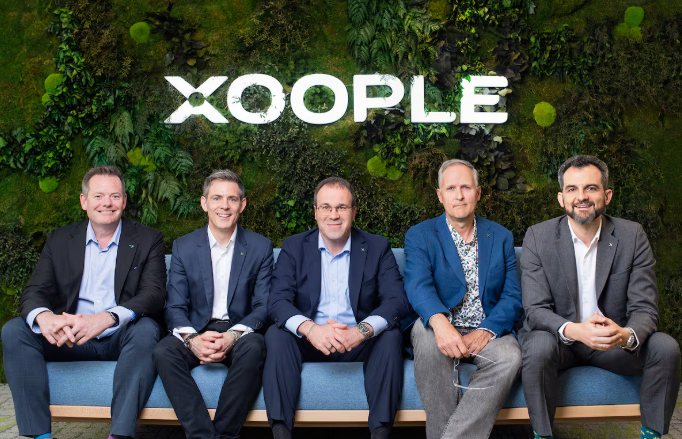
Madrid-based Xoople announced the closure of a €115 million (around $130 million) Series B funding round, bringing its total funding to €200 million. The round was backed by investors including Nazca Capital, MCH, the CDTI, Buenavista Equity Partners, and Endeavor Catalyst.
A data layer for real-world AI
The company is developing what it calls the “Earth Registry System”, a data infrastructure designed to continuously capture and update physical changes on the planet. The aim is to power a new generation of artificial intelligence systems capable not only of analysing information, but of acting upon it.
“Every major era of computing has created a unique reference system; those who define it become the economic centre of that era,” explains Fabrizio Pirondini, CEO and co-founder of the company, in a press release. “At Xoople, we are building that registry system for the physical world in the age of AI.”
This approach ties in with a growing trend in the sector: the shift from models centred on text or digital data to systems requiring reliable information from the physical environment, particularly in the context of so-called agentic AI.
From seven years in ‘stealth’ to commercialisation
Founded in 2019, Xoople has operated discreetly for years whilst developing its technology and establishing strategic partnerships. Now, after seven years of work, the company is launching its services this quarter.
Its early users include government agencies and major Fortune 500 corporations, which use its data for applications such as supply chain optimisation, infrastructure monitoring, agricultural planning, and risk management.
The value proposition is based on combining different sources of information, including satellite data, to offer a structured, up-to-date, and actionable view of the physical world, something that is emerging as a key competitive advantage in the development of advanced AI systems.
Europe wants a stake in AI infrastructure
Beyond the deal itself, the move reinforces an increasingly significant factor in the European ecosystem: the opportunity to compete in strategic layers of artificial intelligence beyond foundational models.
Rather than attempting to replicate tech giants, start-ups such as Xoople are focusing on building critical infrastructure —in this case, data from the physical world— which could become key components of the new AI stack.
If this thesis holds, the ‘Earth registry system’ would not only be a technological asset but also a central hub in the emerging AI economy.